


The Ultimate Guide to Cleaning Your Aga Cooker
Updated: Mar 2
Understanding Your Aga Cooker’s Materials
Before you start cleaning, it’s essential to know what materials your Aga is made from. Most Agas feature:
Cast iron: The main body and hotplates are cast iron, prized for heat retention.
Enamel coating: The exterior often has a smooth, glossy enamel finish.
Chrome or stainless steel fittings: Handles, hinges, and trims may be chrome or stainless steel.
Glass oven doors: Some models have glass panels for viewing inside.
Each material needs different care. Cast iron can rust if exposed to moisture for too long, enamel can chip or dull with harsh abrasives, and chrome can tarnish if not cleaned properly.
Daily Cleaning Tips to Prevent Build-Up
Keeping your Aga clean daily reduces the need for heavy cleaning later. Here are simple steps to follow:
Wipe spills immediately: Use a soft cloth or sponge with warm water to clean spills on the enamel surface before they dry.
Clean hotplates after use: When the hotplates are cool, brush off crumbs and wipe with a damp cloth.
Avoid abrasive pads: Never use steel wool or harsh scouring pads on enamel or chrome surfaces.
Use a soft brush for grates: A nylon brush works well to remove food residue from cast iron grates.
These small habits keep your Aga looking fresh and prevent stubborn stains.
How to Clean the Enamel Surface Safely
The enamel finish is one of the most delicate parts of your Aga. To clean it without damage:
Use mild detergent: Mix a few drops of gentle dish soap with warm water.
Soft cloth or sponge only: Apply the soapy water with a soft cloth or non-abrasive sponge.
Avoid harsh chemicals: Do not use bleach, oven cleaners, or acidic products like vinegar.
Rinse and dry: Wipe the surface with a clean damp cloth to remove soap residue, then dry with a soft towel.
If you notice stubborn marks, try a paste of baking soda and water applied gently with a soft cloth. Test on a small hidden area first to ensure no damage.
Cleaning Cast Iron Hotplates and Oven Interiors
Cast iron parts require special attention to avoid rust and maintain heat efficiency:
Remove loose debris: Use a stiff nylon brush or scraper to clear crumbs and burnt food.
Avoid soaking: Never soak cast iron in water as it can cause rust.
Season the surface: After cleaning, apply a thin layer of cooking oil to hotplates to protect the surface.
Use oven liners: Consider placing oven liners on the base to catch drips and make cleaning easier.
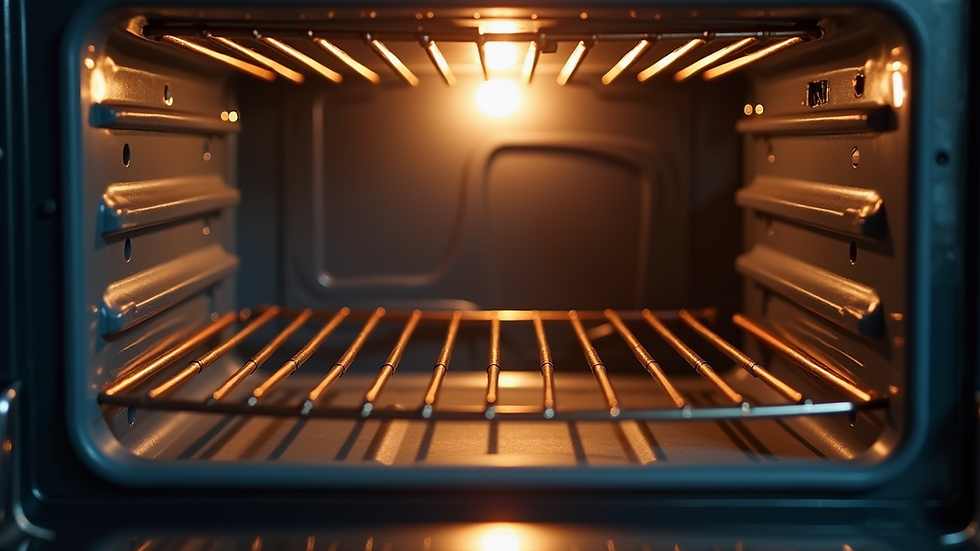
For the oven interior, avoid harsh chemical cleaners. Instead, wipe with a damp cloth and mild detergent. If grease builds up, a paste of baking soda and water can help lift it gently.
Polishing Chrome and Stainless Steel Parts
Chrome and stainless steel fittings add shine but can tarnish over time:
Use a microfiber cloth: Wipe fittings regularly to remove fingerprints and dust.
Mild soap and water: Clean with a soft cloth dipped in soapy water, then dry immediately.
Avoid abrasive cleaners: These can scratch and dull the finish.
Use chrome polish sparingly: If needed, apply a small amount of chrome polish with a soft cloth, then buff to shine.
Cleaning Glass Oven Doors
Glass panels on Aga ovens can get greasy and cloudy:
Use a glass cleaner or vinegar solution: Spray a commercial glass cleaner or a mix of equal parts water and white vinegar.
Soft cloth or paper towel: Wipe gently to avoid scratching.
Avoid abrasive pads: These can leave scratches on the glass.
Clean regularly: Frequent cleaning prevents buildup of grease and grime.
What to Avoid When Cleaning Your Aga
Certain products and methods can cause lasting damage:
Harsh chemical cleaners: Oven sprays, bleach, and acidic cleaners can damage enamel and cast iron.
Abrasive tools: Steel wool, wire brushes, and rough scouring pads scratch surfaces.
Excess water: Prolonged moisture on cast iron leads to rust.
High-pressure water jets: These can damage seals and enamel.
Stick to gentle cleaning agents and soft cloths to keep your Aga in top condition.
Deep Cleaning Your Aga Safely
If your Aga needs a thorough clean, follow these steps carefully:
Turn off and cool down: Ensure the cooker is completely cool and turned off.
Remove accessories: Take out hotplates, oven racks, and trays.
Clean each part separately: Soak removable parts in warm soapy water, scrub gently, and dry thoroughly.
Wipe the cooker body: Use mild detergent and a soft cloth on enamel and chrome surfaces.
Treat cast iron parts: Clean with a nylon brush and season with oil.
Reassemble carefully: Make sure all parts are dry before putting them back.
Deep cleaning once or twice a year helps maintain performance and appearance.
Maintaining Your Aga After Cleaning
After cleaning, keep your Aga in good shape by:
Regularly checking seals and gaskets: Replace if worn to maintain heat efficiency.
Seasoning cast iron parts: Apply cooking oil periodically to prevent rust.
Avoiding harsh impacts: Be gentle when handling heavy parts to prevent chipping enamel.
Scheduling professional servicing: Have your Aga serviced by a qualified technician every few years.
The Benefits of Professional Cleaning Services
Sometimes, despite our best efforts, we may need a little extra help. That's where professional cleaning services come in. They have the expertise and tools to ensure your Aga is cleaned thoroughly without any risk of damage. Plus, they can spot issues that we might overlook.
Consider scheduling a professional cleaning at least once a year. This can help maintain your Aga’s efficiency and prolong its lifespan.
Summary
Cleaning your Aga safely means understanding its materials and using gentle, appropriate methods. Daily wiping, mild detergents, and soft cloths keep the enamel, cast iron, chrome, and glass in great condition. Avoid harsh chemicals and abrasive tools to prevent damage. Regular maintenance and occasional deep cleaning will preserve your Aga’s beauty and performance for decades.
With these tips, you can enjoy cooking on your Aga while keeping it in pristine condition. Happy cooking!


Comments